8 Min Read
Renovating a Manhattan co-op is different from remodeling a single-family home. Before construction begins, your plans may need approval from the co-op board, managing agent, building architect, and New York City permitting authorities. Your contractor may also need to follow strict rules for working hours, elevator use, deliveries, noise, debris removal, and insurance.
Because of those requirements, choosing the right NYC co-op renovation contractor is one of the most important decisions you’ll make. You need more than a builder who can produce a beautiful kitchen or bathroom. You need a contractor who understands Manhattan apartment construction, co-op board approvals, building logistics, and clear project communication.
The right contractor can help you anticipate problems, prepare the proper documentation, and create a realistic budget and schedule. This guide explains what to look for, which questions to ask, and how to compare Manhattan renovation contractors with confidence.
Quick answer: Hire a Manhattan co-op renovation contractor with relevant apartment experience, proper insurance, detailed pricing, strong references, and a clear project-management process. Don’t choose based on price alone.
In this blog, you'll find:
What Makes a Manhattan Co-op Renovation Different?
Know What Type of Contractor You Need in Manhattan
How to Vet a Manhattan Co-op Renovation Contractor
Questions to Ask Before Hiring a Manhattan Contractor
Understanding Estimates, Contracts, and Renovation Costs
Why Manhattan Co-op Board Experience Matters
Why Homeowners Choose Modo Renovations for Manhattan Co-op Renovations
What Makes a Manhattan Co-op Renovation Different?
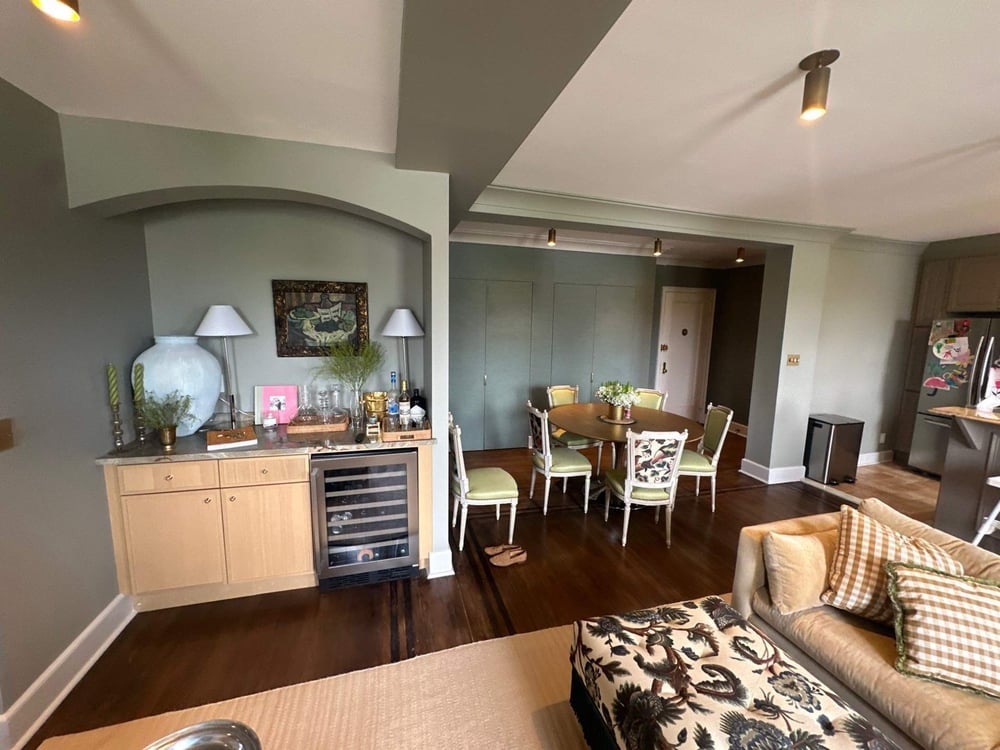
A Manhattan co-op renovation usually involves more coordination than a renovation in a detached home. Your work may affect building systems, common areas, staff, and neighboring apartments, so the project must comply with both public regulations and private building rules.
Co-op board requirements
Most buildings require owners to sign an alteration agreement before work begins. The board or managing agent may also request:
- Architectural or engineering drawings
- Contractor insurance certificates
- Permit information
- Plumbing and electrical plans
- Work schedules
- Material specifications
- Dust and noise-control procedures
- Refundable construction deposits
Some buildings have their own architect or engineer review the plans. Missing information can delay approval, so your contractor should understand how to prepare and respond to these requirements.
Building logistics
Manhattan apartment buildings often restrict when and how construction may take place. Your contractor may need to reserve a service elevator, protect hallways, schedule deliveries, and remove debris during approved hours.
Buildings may also limit:
- Weekend work
- Loud demolition
- Plumbing shutoffs
- Use of passenger elevators
- Storage in common areas
- Work during holidays
- Daily construction hours
These rules directly affect your timeline. A contractor who doesn’t review them may give you an unrealistic schedule.
Shared systems
Co-op apartments share plumbing, electrical, heating, and structural systems with the rest of the building. Moving a sink, opening a wall, or renovating a bathroom may require additional approvals, waterproofing details, inspections, or coordination with building staff.
That’s why experience with New York co-op renovations matters, even for a project that initially appears straightforward.
Know What Type of Contractor You Need in Manhattan
The right contractor depends on your scope, design needs, and how much coordination you want to manage yourself.
General contractor or co-op specialist?
A general contractor coordinates construction, trades, schedules, and materials. However, not every contractor has meaningful Manhattan co-op experience.
A co-op renovation specialist should also understand:
- Alteration agreements
- Board submissions
- NYC permits
- Building insurance requirements
- Elevator and delivery procedures
- Apartment plumbing and electrical constraints
- Communication with managing agents and superintendents
This knowledge is especially important during a full gut renovation or layout change.
Full-service renovation company
A full-service company may help with design, budgeting, approvals, permitting, construction, and finish selections. This can simplify the process because fewer responsibilities fall on you.
Ask exactly what’s included. Confirm who will prepare plans, handle permits, communicate with the building, order materials, coordinate inspections, and manage the site.
Individual trade contractors
A specialized trade contractor may be appropriate for limited painting, flooring, cabinetry, or fixture work. Once your renovation involves multiple trades, walls, plumbing, or electrical systems, you’ll usually need a general contractor to coordinate the work.
Managing trades independently may save money in some cases, but it also makes you responsible for sequencing, scheduling, and accountability.
How to Vet a Manhattan Co-op Renovation Contractor
A strong portfolio and polished estimate are helpful, but they’re not enough. You should confirm that the contractor has the right qualifications, experience, systems, and communication style for your project.
Verify insurance
Ask for current insurance documentation before signing a contract. Your building may require:
- General liability insurance
- Workers’ compensation
- Disability insurance
- Commercial auto coverage
- Umbrella or excess liability coverage
The certificate may also need to name the co-op corporation, managing agent, board, or other parties as additional insureds.
Give the contractor your building’s insurance requirements early. Don’t assume the contractor’s standard coverage will automatically satisfy them.
Review similar Manhattan projects
Look for completed renovations similar to yours in property type, size, scope, and complexity.
Useful examples include:
- Prewar co-op renovations
- Full apartment gut renovations
- Kitchen remodels with plumbing changes
- Bathroom renovations
- Layout reconfigurations
- Projects completed in occupied buildings
A contractor who mainly works on suburban homes may be skilled, but Manhattan apartments require different planning and logistics.
Review the contractor’s portfolio to see whether the quality and scale of the work align with your goals.
Ask who manages the project
The person who sells the project may not be the person who runs it. Before hiring anyone, ask:
- Who will be my main contact?
- Who will supervise the site?
- Who coordinates subcontractors?
- Who communicates with building management?
- How often will I receive updates?
- Who approves change orders?
A clear communication structure helps prevent delays and conflicting instructions.
Understand the planning process
An experienced contractor should be able to explain what happens before construction begins. The process may include:
- Initial consultation
- Site walkthrough
- Scope development
- Preliminary budgeting
- Design and material selections
- Drawings and engineering
- Board submission
- Permits
- Product ordering
- Construction scheduling
Reviewing the company’s renovation process can help you determine whether it uses an organized, repeatable system.
Read reviews carefully
Look beyond star ratings. Pay attention to repeated comments about:
- Responsiveness
- Craftsmanship
- Scheduling
- Cleanliness
- Transparency
- Problem-solving
- Budget communication
- Professionalism around neighbors and staff
Large renovations often include unexpected decisions. Reviews can show you how the contractor responds when something doesn’t go as planned.
Speak with recent clients
Ask for references from homeowners who completed similar projects.
Questions to ask include:
- Was the scope clear?
- Did the contractor communicate consistently?
- Were changes documented?
- Did the crew follow building rules?
- How were unexpected issues handled?
- Would you hire the contractor again?
You’re not looking for a project with no challenges. You’re looking for evidence that challenges were handled professionally.
Questions to Ask Before Hiring a Manhattan Contractor
A qualified contractor should be comfortable answering detailed questions about experience, pricing, responsibilities, and project management.
1. How many Manhattan co-op renovations have you completed?
Ask about recent projects rather than accepting a general statement that the contractor works in New York.
2. Have you worked in buildings like mine?
Prewar co-ops, postwar high-rises, brownstones, and luxury buildings can have very different requirements.
3. Who handles the alteration agreement?
Confirm who will review it, prepare construction documents, respond to comments, and communicate with management.
4. Who obtains permits?
Ask which permits may be required, who files for them, and whether permit fees are included.
5. Can you meet the building’s insurance requirements?
Provide the insurance sample or alteration package before signing a contract.
6. Who will manage the project?
Find out whether your contact will be the owner, project manager, superintendent, or foreman.
7. How will I receive updates?
Updates may come through email, calls, meetings, photos, or project-management software. Consistency matters more than the method.
8. How are change orders handled?
Changes should be presented in writing with the cost and potential schedule impact before additional work begins.
9. What isn’t included?
Ask about exclusions such as permits, design fees, appliances, fixtures, asbestos testing, temporary housing, or owner-supplied materials.
10. What could delay the project?
Common causes include board approvals, inspections, concealed conditions, custom products, building access, and delayed owner decisions.
Red Flags to Watch For
Be cautious when a contractor:
- Provides a vague estimate
- Won’t explain exclusions
- Can’t provide current insurance
- Has little co-op experience
- Pressures you to sign quickly
- Avoids discussing permits
- Can’t identify the project manager
- Gives a schedule without reviewing building rules
- Has no written change-order process
- Communicates poorly before the contract is signed
Be careful with very low bids
The lowest estimate isn’t always the lowest final cost.
One contractor may include protection, debris removal, supervision, permit coordination, and finish work. Another may omit those items. Proposals can’t be compared accurately unless they’re based on the same scope.
Low estimates may also include unrealistic allowances. Ask each contractor to explain the assumptions behind the price.
Pro tip: Compare experience, scope, exclusions, allowances, and communication before comparing the final number.
Understanding Estimates, Contracts, and Renovation Costs
A professional estimate should clearly define the major phases of your renovation. It doesn’t need to list every material, but you should understand what you’re buying.
What should the estimate include?
Depending on the project, look for:
- Site protection
- Demolition
- Debris removal
- Framing
- Plumbing
- Electrical work
- HVAC work
- Drywall or plaster
- Waterproofing
- Tile and flooring
- Cabinetry
- Countertops
- Finish carpentry
- Painting
- Fixtures and hardware
- Permits and inspections
- Project management
- Cleanup and closeout
The proposal should also identify owner-supplied items and allowances.
What’s an allowance?
An allowance is a placeholder amount for an item that hasn’t been selected. It may apply to tile, plumbing fixtures, hardware, or other finishes.
Allowances are useful, but they should reflect the quality level you expect. Ask whether each allowance includes tax, delivery, installation, and related materials.
How should change orders work?
A change order covers work outside the original agreement. It may result from a new request, hidden condition, design revision, building requirement, or a product substitution.
The change order should explain the new work, added cost, and possible schedule effect. You should approve it before the work proceeds whenever possible.
How much does a Manhattan renovation cost?
Costs vary based on apartment size, existing conditions, scope, finish level, building requirements, and layout changes.
A cosmetic update will cost less than a full gut renovation with custom millwork, new plumbing, upgraded electrical service, and premium finishes.
Use Modo Renovations’ Manhattan renovation cost guide to establish a preliminary range. A site visit and detailed scope are still necessary for an accurate estimate.
Why Manhattan Co-op Board Experience Matters
Co-op approval can affect your renovation long before demolition starts.
An experienced contractor can help organize the submission, identify missing information, communicate with building representatives, and respond to requested revisions. This reduces the risk of preventable delays.
Each building may emphasize different requirements. A board might request detailed waterproofing information, acoustic specifications, engineering review, plumbing plans, or limitations on layout changes.
Depending on the work, your project may also require an architect, an engineer, an expediter, a designer, an asbestos investigator, a plumber, or an electrician.
Board experience is also important during construction. Building staff may need notice for elevator reservations, plumbing shutoffs, inspections, and deliveries.
Without proper coordination, a trade may arrive when access hasn’t been approved or a delivery may appear when the service elevator isn’t available. Good planning helps prevent those disruptions.
FAQs About Hiring a Renovation Contractor in Manhattan
How do I choose the best NYC co-op renovation contractor?
Look for relevant co-op experience, current insurance, strong references, clear pricing, and an organized project-management process. Your contractor should understand board approvals, building logistics, permits, and apartment construction.
How much does a Manhattan co-op renovation cost?
The cost depends on the apartment size, existing conditions, scope, material quality, building requirements, and layout changes. A contractor needs to evaluate the apartment and proposed work before providing a meaningful estimate.
How long does a co-op renovation take?
A limited renovation may take several weeks, while a full gut renovation may take several months. Planning, design, board review, permits, product lead times, inspections, and building restrictions also affect the total timeline.
Does my contractor handle permits and board approvals?
Some contractors coordinate most of the process, while others expect the homeowner or architect to manage it. Confirm who will prepare documents, communicate with the managing agent, file permits, respond to comments, and schedule inspections.
Can I live in my apartment during the renovation?
You may be able to remain during limited cosmetic work. Living through a kitchen, bathroom, or gut renovation is usually more difficult because of dust, noise, utility shutoffs, limited access, and safety concerns.
What insurance should a contractor have?
Your building may require general liability, workers’ compensation, disability, commercial auto, and umbrella coverage. It may also require the co-op corporation and managing agent to be named as additional insureds.
Should I hire the contractor before board approval?
You’ll usually need a contractor involved before final approval because the board may request insurance, schedules, scope details, and construction documents. Your agreement should explain what happens if approval is delayed or revisions are required.
What’s the most important quality in a Manhattan contractor?
Relevant experience and communication are both essential. You need someone who understands co-op construction and keeps you informed about progress, decisions, costs, and potential problems.
Why Homeowners Choose Modo Renovations for Manhattan Co-op Renovations
Modo Renovations helps homeowners plan and complete substantial apartment renovations throughout Manhattan. Its work includes full gut renovations, kitchens, bathrooms, and other complex projects requiring coordination with co-op boards and building management.
Founder Spencer Kane’s background includes experience on the owner and development side of New York construction. That perspective helps the team consider construction quality, design decisions, budget priorities, and long-term property value.
You can learn more about Spencer and the company on the About Us page.
Modo works with clients from early planning through construction. Depending on the scope, that may include budgeting, design coordination, board requirements, permits, material selections, trade management, construction updates, and project completion.
This hands-on process gives homeowners a clear point of contact and helps decisions move forward efficiently. Although Manhattan co-op renovations are a central part of Modo’s work, the company also completes residential renovation projects in Westchester County.
Choose a Contractor Who Can Manage the Whole Project
The right NYC co-op renovation contractor should make the process easier to understand from the beginning. They should identify risks early, provide practical guidance, and help you make decisions that support your lifestyle and the long-term value of your apartment.
To discuss your Manhattan apartment renovation, contact Modo Renovations and share your project goals, property details, and anticipated timeline.