9 Min Read
Choosing a renovation contractor in Manhattan isn’t simply a matter of comparing estimates. You’re trusting someone to manage your home, your budget, your building’s requirements, and dozens of decisions that can affect the finished space.
A qualified Manhattan renovation contractor should be able to explain how the project will be planned, priced, approved, managed, and communicated before you sign an agreement. That’s especially important in a co-op or condo, where alteration agreements, board approvals, insurance requirements, restricted work hours, and building logistics can shape the entire renovation.
At Modo Renovations, we believe homeowners should understand what they’re agreeing to before construction begins. Asking the following questions can help you compare contractors thoughtfully and identify the team that’s prepared to run your renovation responsibly.
Here are the questions we’ll discuss in this blog:
1. Are You Properly Licensed and Insured?
2. How Much Experience Do You Have With Manhattan Renovations?
3. Have You Worked With Buildings Like Mine?
4. Who Will Manage My Renovation and Complete the Work?
5. Can You Share Comparable Projects and Client References in Manhattan?
6. What’s Included in the Estimate?
7. How Do You Handle Changes and Unexpected Costs?
8. Who Manages Permits, Building Approvals, and Inspections?
9. What’s the Expected Timeline, and How Will You Communicate Progress?
10. What Warranties and Post-Construction Support Do You Provide?
Why an Owner-Focused Perspective Matters
1. Are You Properly Licensed and Insured?
A renovation contractor should be able to provide current licensing and insurance documentation for the location and type of work involved in your project.
New York doesn’t have one statewide general contractor license that covers every residential renovation. Requirements can vary by city, county, project type, and trade. In New York City, businesses performing residential remodeling and home improvement work generally need a Home Improvement Contractor license from the Department of Consumer and Worker Protection.
Don’t settle for a verbal assurance that everything is “taken care of.” Ask to see the applicable credentials and confirm that the business name on the documents matches the company listed in your contract.
You should also ask for proof of insurance, including:
- General liability insurance
- Workers’ compensation coverage, when applicable
- Disability benefits coverage, when applicable
- Any additional coverage required by your building
- Certificates naming the building, managing agent, or other parties when required
Manhattan co-op and condo buildings often have their own insurance limits and certificate language. A contractor may carry insurance and still not meet your building’s particular requirements, so the documents should be reviewed against the alteration agreement before work is scheduled.
2. How Much Experience Do You Have With Manhattan Renovations?
Manhattan renovation experience matters because working in an occupied apartment building is very different from remodeling a detached home.
A contractor may produce beautiful work elsewhere but still be unfamiliar with the logistical and administrative demands of a Manhattan project.
Ask how frequently the contractor works in co-ops, condos, apartments, and townhouses. Then dig deeper:
- Which Manhattan neighborhoods have you worked in?
- What types of properties do you renovate most often?
- Have you completed occupied-building renovations?
- How do you plan deliveries, debris removal, and elevator access?
- How do you work within restricted construction hours?
- How do you protect common areas and neighboring units?
The best answer won’t be a vague statement about having “years of experience.” It’ll include examples of how the contractor has dealt with building staff, limited access, alteration agreements, noisy-work restrictions, material deliveries, and the close coordination Manhattan renovations require.
You can learn more about Spencer Kane’s background and owner-side construction experience on Modo Renovations’ about us page.
3. Have You Worked With Buildings Like Mine?
A contractor familiar with your type of building will be better prepared for its approval process, construction rules, and physical constraints.
Every Manhattan building operates differently. Some boards require extensive architectural drawings and engineering documentation. Others have strict wet-over-dry rules, limits on plumbing relocation, or specific procedures for shutting down water and connecting to building systems.
Ask whether the contractor has worked:
- In your building
- With your management company
- In a building of a similar age
- In a similar co-op, condo, or townhouse
- On projects with comparable structural or mechanical conditions
Prior experience in your exact building is helpful, but it isn’t the only sign of competence. What matters most is whether the contractor knows how to read the alteration agreement, identify issues early, communicate with management, and adjust the plan to the property’s requirements.
A thoughtful contractor should also recognize that older Manhattan buildings can reveal surprises once walls and floors are opened. Uneven framing, outdated wiring, aging plumbing, old patchwork, and undocumented previous renovations aren’t unusual. Your contractor should explain how those possibilities will be investigated and addressed.
4. Who Will Manage My Renovation and Complete the Work?
Before signing, find out who’ll make daily decisions, supervise trades, answer your questions, and remain accountable for the finished project.
The person who sells the renovation isn’t always the person who runs it. At some firms, homeowners are handed from an estimator to an account manager, then to a superintendent or foreman they haven’t met.
That structure isn’t automatically a problem, but you need to understand it.
Ask:
- Who is my primary point of contact?
- Who will be on-site regularly?
- Who coordinates the subcontractors?
- Who checks the quality of completed work?
- Who has the authority to make scheduling decisions?
- Who do I call when I have a question or concern?
- How many other projects will that person be managing?
You should also ask how the contractor selects plumbers, electricians, carpenters, tile installers, and other specialists. Manhattan renovations require multiple trades to work in a precise sequence. Someone needs to coordinate them closely so one delay doesn’t create several more.
Modo Renovations’ renovation process is built around one point of contact from the initial walkthrough through construction. Spencer manages each build directly and coordinates trade specialists based on the project’s needs.
5. Can You Share Comparable Projects and Client References in Manhattan?
Relevant projects and recent references can show whether a contractor has successfully handled work similar to yours.
A polished gallery is useful, but don’t look only at the finishes. Ask about the work behind the photographs.
For each comparable project, consider asking:
- What was the original scope?
- Did the floor plan change?
- Were plumbing or electrical systems relocated?
- Did the project require board approval?
- What challenges came up?
- How long did construction take?
- Was the final cost close to the contracted amount?
A contractor who primarily completes cosmetic updates may not be the right fit for a full gut renovation that involves structural modifications, extensive millwork, new mechanical systems, or a complicated co-op approval.
References can provide another layer of perspective. Ask recent clients how the contractor communicated, handled problems, maintained the site, documented changes, and completed the punch list. Pay attention to whether the contractor remained responsive after receiving the deposit and after most of the project had been paid for.
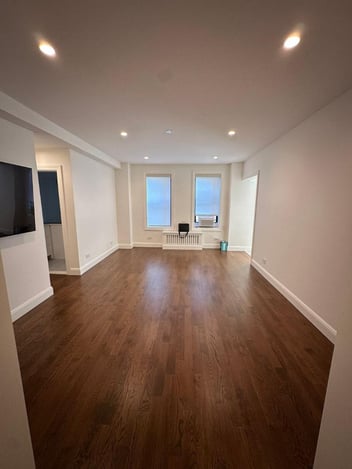
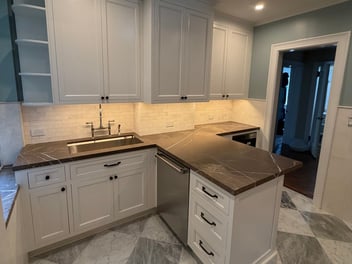
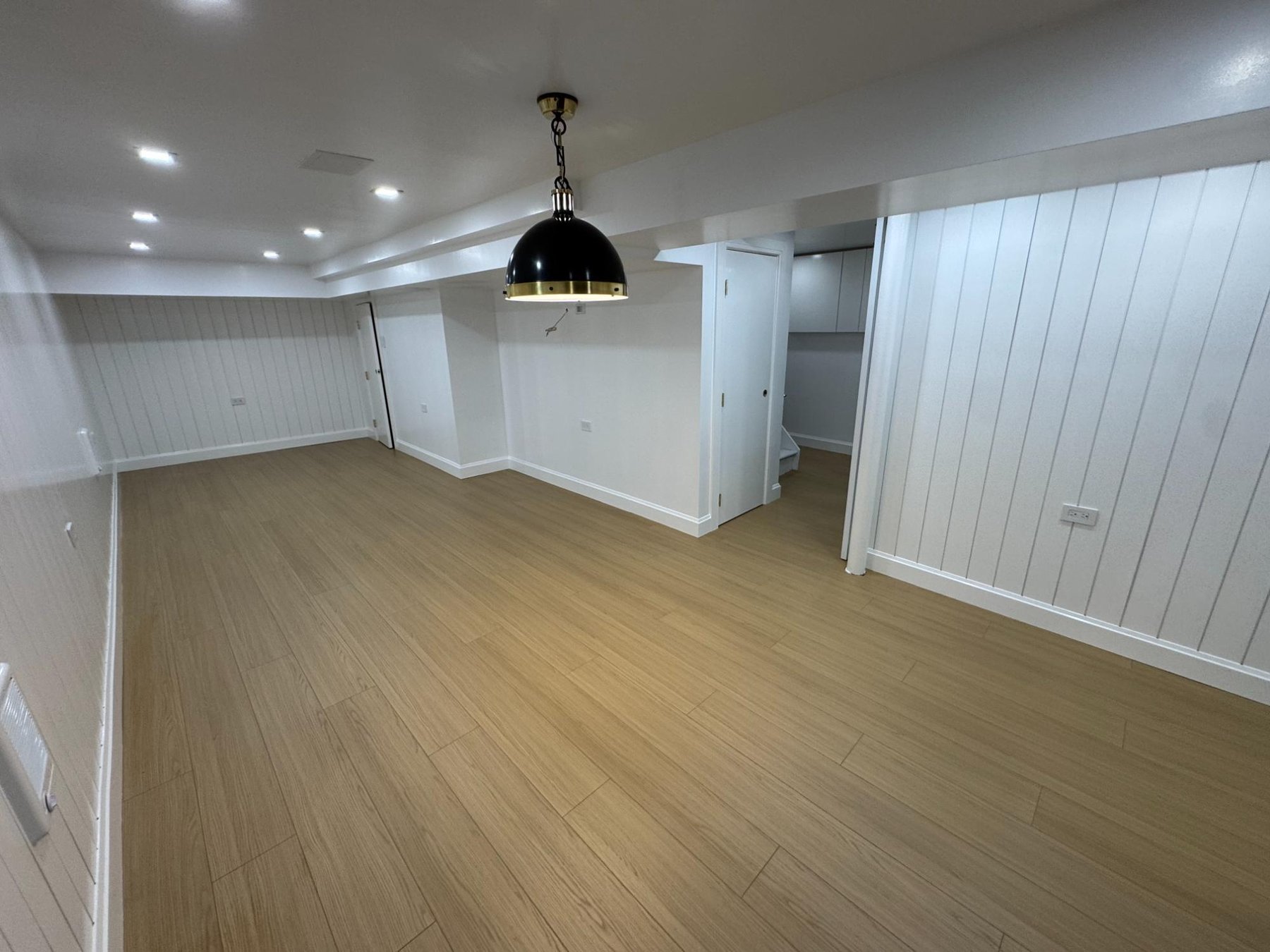
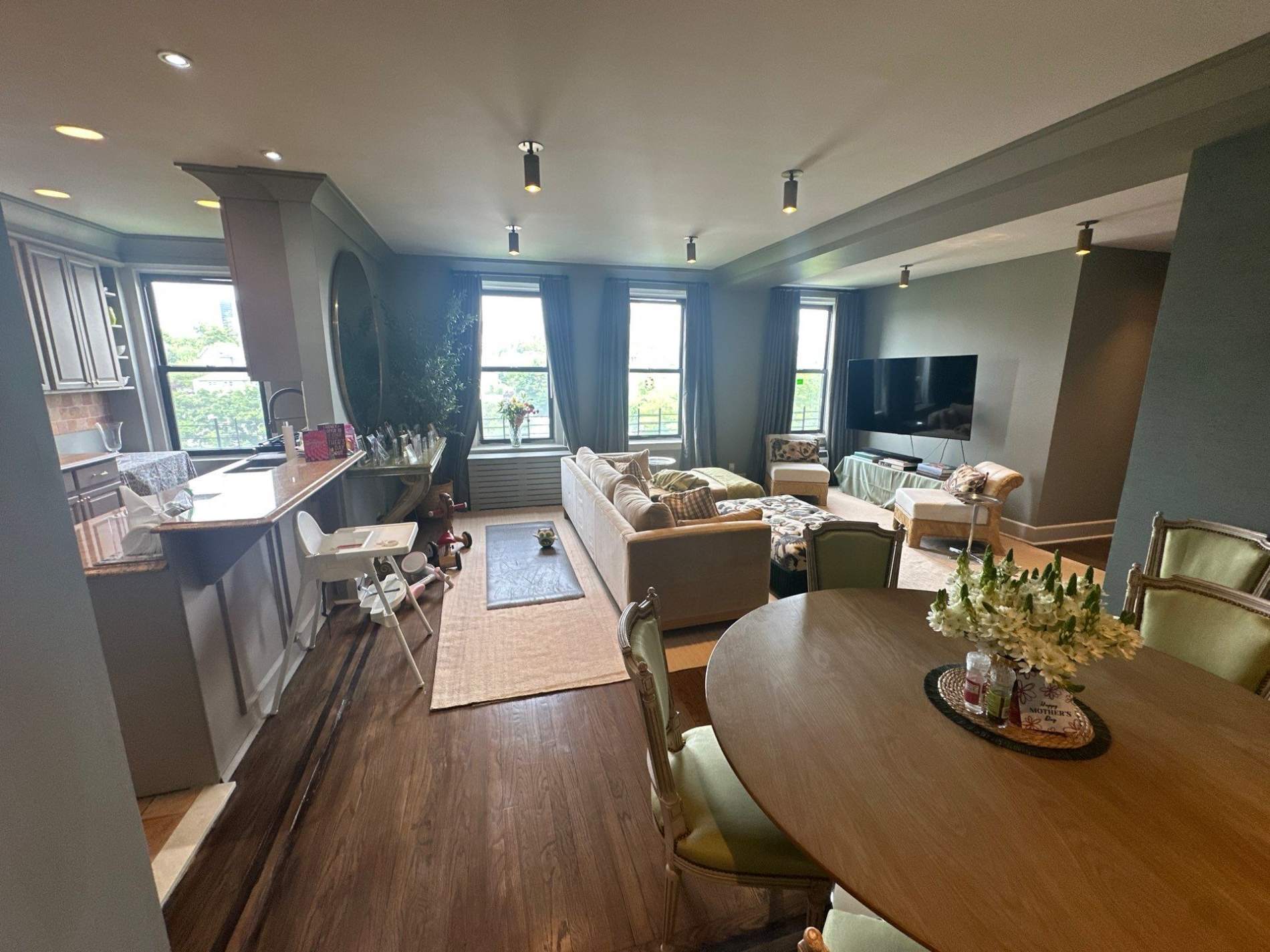
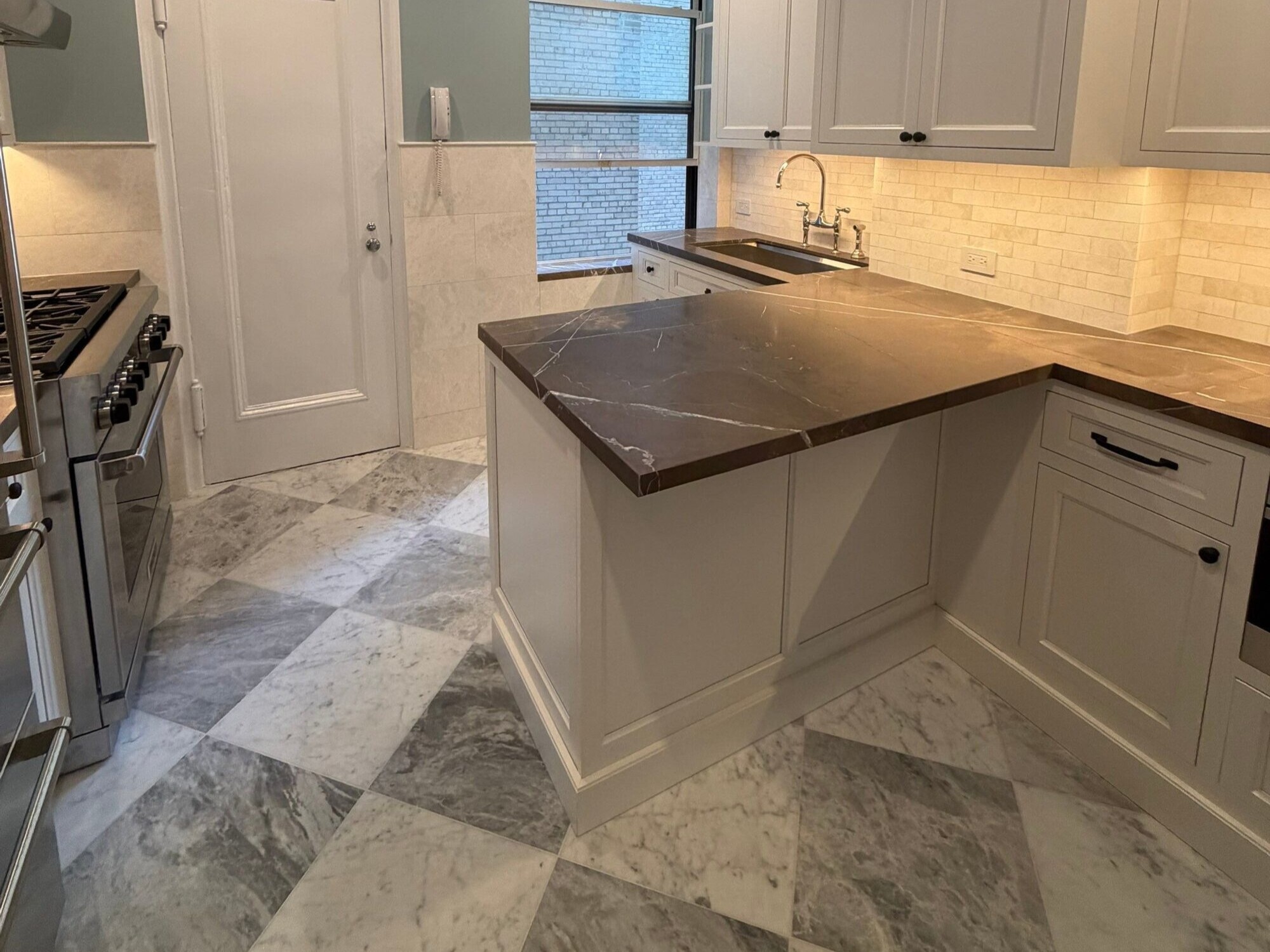
You can review completed co-op, condo, apartment, and residential work in Modo Renovations’ renovation portfolio.
6. What’s Included in the Estimate?
A useful renovation estimate should define the scope clearly enough that you can understand what you’re buying and compare it with other proposals.
The lowest estimate isn’t necessarily the least expensive project. A short proposal may exclude work that another contractor has already included, creating a misleading difference between the numbers.
Ask the contractor to explain:
- Demolition and disposal
- Site protection
- Labor and supervision
- Plumbing and electrical work
- Framing and drywall
- Flooring, tile, cabinetry, and millwork
- Painting and finishing
- Permit and filing costs
- Building-related fees
- Material allowances
- Cleanup and punch-list work
- Items supplied directly by the homeowner
Look closely at allowances. An allowance is a placeholder for an item that hasn’t been selected or fully priced. It can be useful during early planning, but an unrealistically low allowance makes an estimate appear more affordable than the likely final cost.
You should also ask what isn’t included. Exclusions are just as important as inclusions.
Renovation prices in Manhattan can vary significantly depending on layout changes, building conditions, finish selections, custom work, and the extent of plumbing or electrical work. Modo Renovations’ Manhattan renovation cost guide provides pricing context for full gut renovations, kitchens, and bathrooms, so you can develop a more realistic starting budget.
7. How Do You Handle Changes and Unexpected Costs?
A reliable contractor should have a written process for approving changes before additional work is performed.
Even a carefully planned renovation can change. You might select a more expensive material, revise a layout, or add work after construction begins. Existing conditions may also reveal something that couldn’t reasonably be confirmed before demolition.
The important question is how those changes are handled.
Ask whether change orders will include:
- A description of the revised work
- The added or reduced cost
- The effect on the schedule
- Any additional design or permit requirements
- Written homeowner approval
You shouldn’t discover a large collection of undocumented extras at the end of the project. Clear change-order procedures protect both you and the contractor by creating a record of what changed and why.
It’s also worth asking how the contractor reduces uncertainty before construction. Thorough walkthroughs, early material selections, detailed drawings, selective exploratory work, and careful review of building documents can identify potential problems sooner.
No contractor can promise that an existing Manhattan apartment contains no surprises. A trustworthy one can explain how risks are investigated, priced, communicated, and resolved.
8. Who Manages Permits, Building Approvals, and Inspections?
Your contractor should define who is responsible for every approval required before, during, and after construction.
In Manhattan, getting permission to renovate can involve several parties:
- Your co-op or condo board
- The building’s managing agent
- The building architect or engineer
- Your architect or designer
- The New York City Department of Buildings
- Licensed plumbing or electrical professionals
- Inspectors and special inspectors
Ask whether the contractor will review the alteration agreement before finalizing the proposal. You’ll also want to know who prepares submissions, communicates with management, answers review comments, schedules inspections, and closes out permits.
Some responsibilities may belong to an architect, an engineer, an expediter, or a licensed trade contractor rather than the general contractor. That’s normal. What isn’t helpful is finding out after signing that no one has been assigned to coordinate them.
Ask for a clear responsibility list, so you know:
- What the contractor handles
- What the architect handles
- What you’re expected to provide
- Which fees are included
- Which fees are paid separately
- What must be approved before construction can begin
This stage can add meaningful time to a Manhattan renovation, especially when a board meets on a limited schedule or requests revisions. Approval time should be discussed separately from the construction schedule.
9. What’s the Expected Timeline, and How Will You Communicate Progress?
A credible timeline should account for planning, selections, approvals, procurement, construction, inspections, and closeout.
Be cautious when a contractor promises an unusually fast completion date before reviewing your plans, building requirements, or material selections.
Ask the contractor to outline the major phases of the project rather than giving you one general number. A complete schedule may include:
- Existing-condition review
- Design development
- Budget alignment
- Board and permit submissions
- Material selection and ordering
- Construction
- Inspections
- Punch-list completion
- Final closeout
Find out which selections must be completed before work begins and which products have long lead times. Custom cabinetry, specialty stone, appliances, windows, decorative fixtures, and made-to-order millwork can influence the schedule long before installation.
Communication matters just as much as the schedule itself. Ask how often you’ll receive updates and what they’ll include. Will you have weekly meetings, written summaries, photographs, schedule updates, or a project-management platform?
You’ll also want to know how quickly questions are typically answered. Silence creates uncertainty, even when work is moving forward.
Modo Renovations provides organized photo updates during construction and gives homeowners a direct line to the person managing the project. That approach supports one of Modo’s central priorities: keeping owners comfortable and informed throughout the renovation.
10. What Warranties and Post-Construction Support Do You Provide?
The contract should explain what’s covered after completion, how long the coverage lasts, and how service requests are handled.
A renovation relationship shouldn’t end the moment the final payment is made. Ask the contractor to explain the warranty in plain language and provide it in writing.
Questions to ask include:
- How long is the workmanship warranty?
- What does it cover?
- What isn’t covered?
- Are manufacturer warranties transferred to me?
- Whom should I contact if an issue appears?
- How quickly are warranty requests reviewed?
- How is the final punch list documented?
- What closeout records will I receive?
Normal movement, product defects, misuse, and workmanship issues may be treated differently, so it’s important to understand the distinctions.
Modo Renovations provides a one-year workmanship warranty and remains available when clients have questions after construction. More importantly, the company’s hands-on model means homeowners already know the person they’ll contact if something needs attention.
FAQs About Hiring a Manhattan Renovation Contractor
How Do You Choose the Right Remodeling Contractor in Manhattan?
Choose a Manhattan remodeling contractor by comparing relevant experience, licensing, insurance, project management, estimate detail, references, communication practices, and familiarity with building approvals.
Don’t make the decision based on price alone. The right contractor should understand your type of property and be able to explain how the project will move from planning through approvals, construction, and closeout.
What Should You Look for in a Manhattan Renovation Contractor?
Look for clear communication, comparable Manhattan projects, organized documentation, transparent pricing, qualified trade partners, and a realistic understanding of co-op or condo requirements.
The contractor should ask detailed questions about your building and goals before providing firm promises about cost or timing.
What Insurance Should a Renovation Contractor Carry?
A renovation contractor will typically need general liability coverage and any legally required workers’ compensation or disability coverage. Your building may require specific limits, endorsements, or certificates naming additional insured parties.
Requirements vary, so the contractor’s documents should be checked against your building’s alteration agreement and management instructions.
Does a Renovation Contractor Need a License in New York City?
A person or business performing residential construction, remodeling, repair, or other home improvement work in New York City generally must hold a Home Improvement Contractor license issued by the Department of Consumer and Worker Protection. Additional registrations or trade-specific licenses may apply depending on the project.
Homeowners should verify the credentials required for their specific scope rather than assuming one document covers every type of work.
How Can You Tell Whether a Renovation Contractor Is Reliable?
A reliable contractor provides clear documents, recent references, consistent communication, realistic expectations, and examples of comparable completed work.
Reliability also appears in the questions the contractor asks you. Someone who carefully reviews the property, budget, building requirements, design, and schedule before making promises is usually giving the project the attention it deserves.
Why an Owner-Focused Perspective Matters
A contractor who understands the owner’s perspective on a renovation can help you evaluate both the immediate results and the long-term value of your decisions.
Before founding Modo Renovations, Spencer Kane spent more than a decade working in New York real estate development and construction management. That background shaped an approach that considers your apartment as both a home and an investment.
That doesn’t mean every decision needs to be driven by resale. It means you should understand where an upgrade may add lasting value, where a simpler choice can perform just as well, and where a costly feature may not provide a meaningful return.
Modo Renovation’s approach includes:
- Direct project management
- Clear, responsive communication
- Guidance on value-conscious design decisions
- Coordination with boards and building management
- Organized construction updates
- A trusted network of specialized trades
- Support from planning through project closeout
The result is a renovation built around how you want to live, with practical guidance about where your investment can have the greatest impact.
Start Your Manhattan Renovation With Clearer Expectations
The questions you ask before signing can shape your entire renovation. They help uncover differences in experience, pricing, supervision, communication, and accountability before those differences become expensive problems.
Take the time to review the contractor’s credentials, proposal, process, and comparable work. You should leave those conversations with a clear understanding of who’ll run the project, how decisions will be documented, and what happens when the unexpected comes up.
Planning a co-op, condo, apartment, or townhouse renovation? Contact Modo Renovations to tell us about your property, your priorities, and what you’re hoping to change. You’ll speak with the person who’ll actually manage your project.